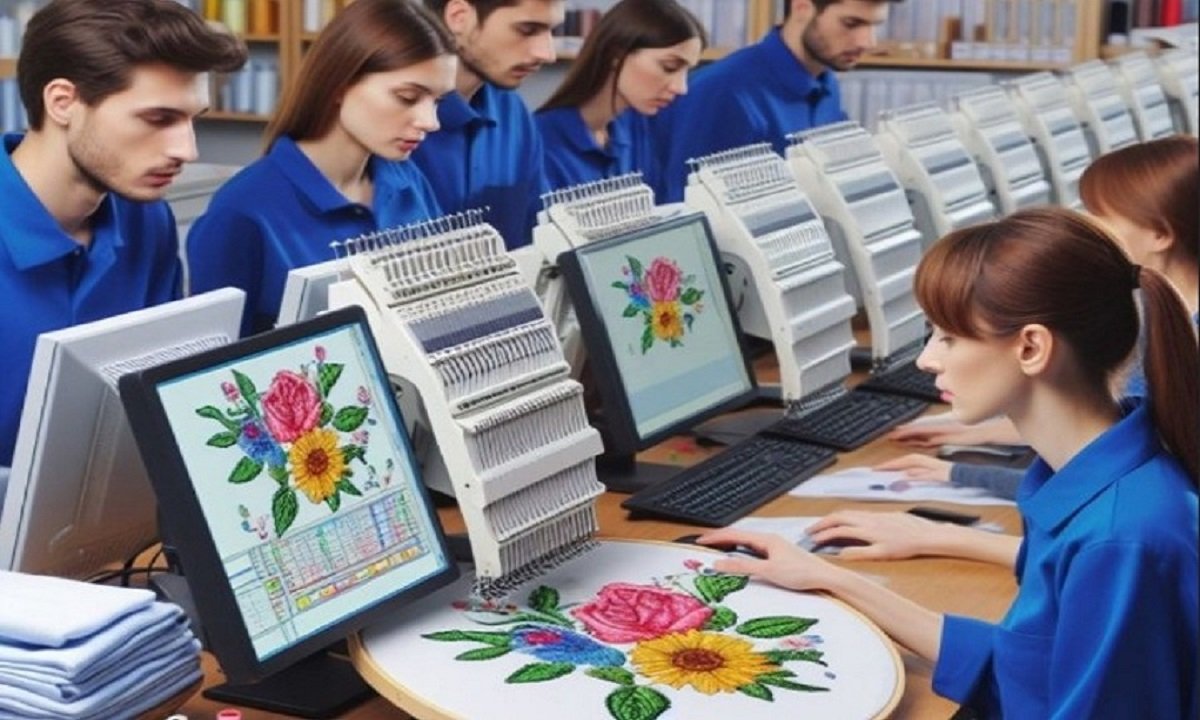
Expert Digitized Embroidery Designs for DST, PES, EXP & More
If you want your embroidery projects to look clean, professional, and machine-ready, Digitized Embroidery Designs are the backbone of everything you stitch. Whether you’re running a commercial embroidery business, managing a fashion brand, or creating custom gifts, the quality of your digitized file directly affects stitch precision, thread flow, and final appearance. With the right digitized design in formats like DST, PES, EXP, and more, your embroidery machine becomes a powerful tool for flawless creativity.
In this guide, we’ll break down what digitized embroidery designs really are, why they matter, and how to choose expert-level digitizing for perfect stitch results every time.
What Are Digitized Embroidery Designs?
Digitized embroidery designs are digital stitch files created using specialized software that tells an embroidery machine exactly how to stitch a design. Unlike regular image files like JPG or PNG, digitized embroidery files include:
- Stitch direction
- Stitch type
- Stitch density
- Color sequence
- Start and stop points
These files guide your machine step by step to create smooth, clean, and accurate embroidery on fabric.
Common embroidery file formats include:
- DST – Popular for commercial machines
- PES – Used by Brother and Babylock
- EXP – Common for Melco machines
- JEF – Used by Janome
- VP3, HUS, XXX, and more
Each machine brand requires a specific format, which makes professional digitizing essential.
Why High-Quality Digitized Embroidery Designs Matter
Not all digitized files are created equal. High-quality digitized embroidery designs make a massive difference in how your final product looks and performs.
Here’s why quality matters:
1. Clean Stitching
Poor digitizing leads to broken stitches, gaps, thread bunching, and uneven outlines. Expert digitizing ensures smooth and balanced stitching.
2. Fabric Compatibility
Every fabric behaves differently. A good digitized design adjusts stitch density and underlay for cotton, hats, stretch fabric, leather, and more.
3. Better Thread Coverage
Correct stitch angles and densities prevent fabric from showing through and eliminate loose threads.
4. Fewer Machine Errors
Well-built digitized files reduce thread breaks, needle issues, and machine stoppages.
5. Professional Results
If you’re selling embroidered products, high-quality digitizing protects your brand reputation.
DST, PES, EXP & More – Understanding Embroidery File Formats
Different embroidery machines read different stitch files. Let’s take a quick look at the most popular formats:
DST (Tajima Format)
- Ideal for commercial embroidery machines
- Supports stitch data and color sequence
- Widely accepted across multiple machine brands
PES (Brother & Babylock)
- Most common format for home embroidery machines
- Supports stitch data plus color visualization
- Easy to edit and preview
EXP (Melco Format)
- Used in Melco embroidery machines
- Strong commercial support
- Works well for large-scale production
Other Common Formats
- JEF – Janome
- HUS – Husqvarna
- VP3 – Viking
- XXX – Singer
Professional digitized embroidery designs are usually provided in multiple formats to ensure compatibility.
The Digitizing Process – From Artwork to Stitch File
Creating perfect embroidery files is not a one-click process. Expert digitizing follows a detailed workflow:
1. Artwork Review
The digitizer carefully studies your logo or design, noting fine details, colors, textures, and size.
2. Stitch Planning
Every part of the design is assigned the best stitch type:
- Satin stitches for borders
- Fill stitches for large areas
- Running stitches for fine details
3. Underlay Setup
Underlay is added beneath the top stitches to stabilize the fabric and prevent puckering.
4. Density & Direction Control
Stitch density and direction are precisely adjusted for each section of the design.
5. Machine Testing
Professional services test the file for proper sew-out performance before final delivery.
Types of Digitized Embroidery Designs
Digitized embroidery designs come in many creative forms:
Logo Digitized Designs
For hats, uniforms, branding apparel, promotional products, and business merchandise.
3D Puff Embroidery Designs
Used for caps and raised lettering using foam under the stitches.
Left Chest Designs
Compact designs placed on shirts, polos, and jackets.
Full Back Designs
Large, detailed designs used on jackets and hoodies.
Custom Artwork Designs
Portraits, animals, floral art, and complex decorative patterns.
Industries That Rely on Digitized Embroidery Designs
Digitized embroidery isn’t limited to apparel. It’s widely used across multiple industries:
- Fashion & Clothing Brands
- Sports Teams & Merchandise
- Corporate Uniforms
- Promotional Products
- School & Club Apparel
- Home Décor
- Personalized Gifts
Any industry that wants clean, professional embroidery depends on precise digitized files.
Common Problems Caused by Poor Digitizing
Bad digitized embroidery designs often lead to:
- Thread breaks
- Fabric puckering
- Jagged edges
- Misaligned lettering
- Color bleeding
- Lost fine details
These issues waste time, materials, and money. That’s why expert digitizing always beats cheap auto-conversion tools.
Why You Should Avoid Auto-Digitizing Software
Auto-digitizing software may look tempting, but it rarely delivers professional results. Here’s why:
- It struggles with small text and fine details
- It creates messy stitch paths
- It ignores fabric type
- It overuses stitches, causing stiffness
- It often requires heavy manual fixing afterward
Manual digitizing by trained professionals remains the gold standard for quality embroidery.
How to Choose the Right Digitized Embroidery Design Provider
Before choosing a provider, ask yourself:
- Do they offer multiple file formats (DST, PES, EXP, JEF, etc.)?
- Do they test stitch files before delivery?
- Do they support revisions?
- Do they understand different fabric behaviors?
- Do they offer fast turnaround?
A reliable digitizing partner saves you from production headaches and ensures consistent quality.
Benefits of Expert Digitized Embroidery Designs
- Perfect stitch flow
- Sharp edges and letter clarity
- Fabric-friendly stitch density
- Machine compatibility
- Reduced production errors
- Professional final embroidery
Whether you’re working on small custom projects or large commercial orders, expert digitizing gives you peace of mind.
Tips to Get the Best Digitized Embroidery Results
- Always send high-resolution artwork
- Specify design size and placement
- Mention fabric type
- Confirm machine format
- Request a test sew-out preview
- Ask for editable backup files
These small steps significantly improve embroidery quality.
How Much Do Digitized Embroidery Designs Cost?
Prices vary based on:
- Design complexity
- Stitch count
- Size
- Number of colors
- File formats required
Simple designs may cost very little, while highly detailed designs cost more. However, professional digitizing is always worth the investment because it protects your material, machine, and brand reputation.
The Future of Digitized Embroidery Designs
With advancements in AI, software, and machine technology, digitizing continues to evolve. However, no matter how advanced tools become, the human touch in professional digitizing remains irreplaceable. Skilled digitizers understand fabric, thread tension, stitching physics, and design balance something no auto tool fully replicates.
Final Thoughts
High-quality Digitized Embroidery Designs are the foundation of professional embroidery. Whether you’re working with DST for industrial machines, PES for home setups, or EXP for commercial production, expert digitizing ensures your designs stitch beautifully every time. From crisp logos to complex artwork, professional digitized files eliminate guesswork and protect your time, fabric, and thread.
If you’re looking for reliable, accurate, and machine-ready digitizing solutions crafted by professionals who understand embroidery from the inside out, Digitizing Buddy is a trusted name you can count on for flawless stitch files and consistent quality.


Post Comment