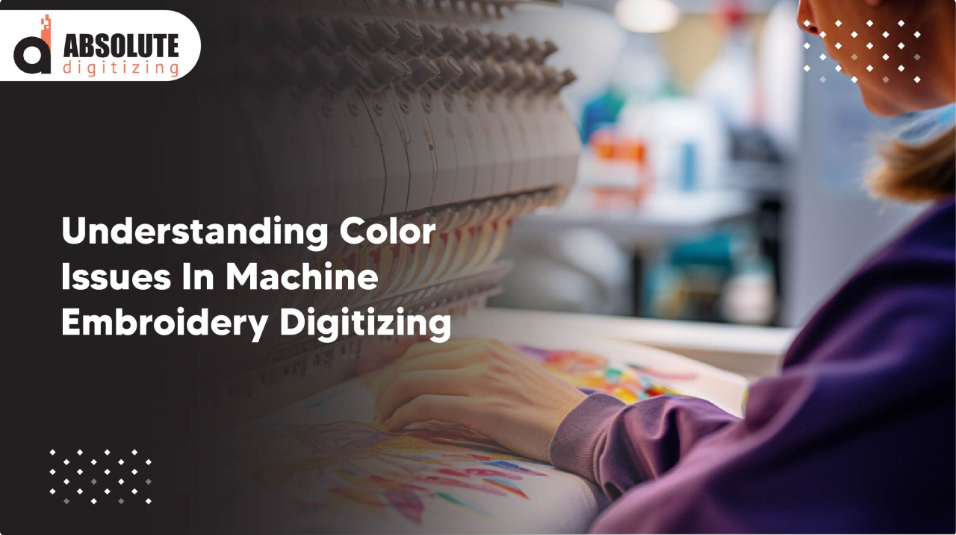
How to Make Your Stitch Design Colors Match Perfectly
Embroidery is all about detail. Color plays a big role in how your design looks. You may pick the best shades on screen, but when the design is stitched, it can look very different. This can feel confusing and even frustrating.
Many people face this problem in the early stages. It often comes from poor planning and wrong settings. Issues like thread shade, stitch type, and fabric all affect the final look. These are common Color Issues in Embroidery Digitizing, and they can be fixed with the right steps.
Why Embroidery Colors Look Different
Before we fix the problem, we need to know why it happens.
Screen vs Thread Color
Colors on screen are not the same as thread colors. Screens use light. Threads use real dye.
Fabric Effect
Fabric can change how color looks. Dark fabric can dull light colors. Light fabric can make colors pop.
Stitch Type Impact
Different stitch types reflect light in different ways. This can change how a color looks.
Common Color Problems in Embroidery
Let’s look at the most common issues you may see.
1. Colors Look Too Dark or Too Light
This is a very common problem.
Why It Happens:
- Wrong thread shade
- Fabric color effect
- No test run
How to Fix:
- Always test on the same fabric
- Choose thread close to final look
- Adjust design for fabric color
2. Colors Do Not Match the Design
You may see a big difference from your original artwork.
Causes:
- Using screen colors as final guide
- No thread chart use
Fix:
- Use a thread color chart
- Match thread, not screen color
3. Colors Blend Together
Sometimes, two colors look like one.
Causes:
- Colors too close in shade
- Poor spacing
Fix:
- Use strong contrast
- Add space between areas
4. Uneven Color Fill
You may see patchy or rough fill.
Causes:
- Wrong stitch density
- Poor stitch angle
Fix:
- Adjust density
- Change stitch direction
5. Thread Shine Changes Color Look
Thread shine can trick your eyes.
Why:
- Light hits stitches at an angle
- Some threads shine more
Fix:
- Change stitch direction
- Test under real light
How Stitch Type Affects Color
Stitch type can change how color looks.
Satin Stitch
Satin stitch is smooth and shiny.
Effect:
- Bright look
- High shine
Fill Stitch
Fill stitch covers large areas.
Effect:
- Less shine
- More flat look
Running Stitch
Running stitch is light.
Effect:
- Less color impact
- Used for fine lines
Role of Fabric in Color Results
Fabric is very important.
Light Fabric
Light fabric makes colors bright.
Tip:
- Use bold colors
Dark Fabric
Dark fabric can hide light colors.
Tip:
- Use strong and bright thread
Stretch Fabric
Stretch fabric can change stitch look.
Tip:
- Use strong underlay
- Adjust density
Real Tips from Experience
I have worked on many embroidery jobs. I have seen how color can change.
Always Test First
A sample stitch shows the real result.
Do Not Trust Screen Colors
Always match thread with real samples.
Keep Contrast Strong
Clear contrast helps designs stand out.
How to Choose the Right Thread Colors
Picking the right thread is key.
Use Thread Charts
Thread charts show real shades.
Benefits:
- Better match
- Less guess work
Compare Under Light
Check colors under good light.
Why:
- Light changes color look
- Natural light is best
Stick to Known Brands
Good thread brands give steady color.
Tip:
- Use trusted suppliers
How to Fix Color Problems in Digitizing
Digitizing plays a big role in color.
Adjust Stitch Density
Density affects how color fills.
Fix:
- Balance density
- Avoid too tight stitches
Change Stitch Direction
Direction can change shine.
Fix:
- Test different angles
- Pick best look
Add Underlay
Underlay helps colors stay strong.
Benefits:
- Better coverage
- Smooth top layer
Importance of Testing Before Final Run
Testing saves time and money.
What to Check:
- Color match
- Stitch quality
- Fabric reaction
Always test on the same fabric you will use.
Why Professional Help Matters
Color control is not easy. It needs skill and practice.
Experts know how to handle colors. They understand fabric, thread, and machine behavior.
A trusted service like absolute digitizing has real hands-on experience. They work on many designs and know how to fix color issues fast.
Benefits of Expert Digitizing
Working with experts gives better results.
Better Color Match
Experts use thread charts and test runs.
Clean Stitching
Proper settings give smooth output.
Saves Time
No need to redo work again and again.
Services like absolute digitizing focus on quality and detail. They help you get the best color results every time.
Mistakes to Avoid
Avoid these common mistakes.
Using Screen Colors Only
Screen colors are not final colors.
Skipping Test Runs
Testing is very important.
Ignoring Fabric Type
Fabric can change the final look.
How to Build Trust with Quality Work
Good color work builds trust.
Stay Consistent
Use the same thread and settings.
Keep Learning
Try new tests and learn from results.
Focus on Quality
Do not rush your work.
This helps you grow and build a strong name.
Final Thoughts
Embroidery color problems are common. But they are easy to fix if you know the cause. Start with the right thread. Use proper stitch settings. Always test before final use.
Do not rely on screen colors. Use real thread samples. Keep your design simple and clear.
If you want the best results, expert help is a smart choice. A trusted name like absolute digitizing can help you get perfect color output with ease.
With the right steps, your embroidery colors will look clean, bright, and true every time.







Post Comment