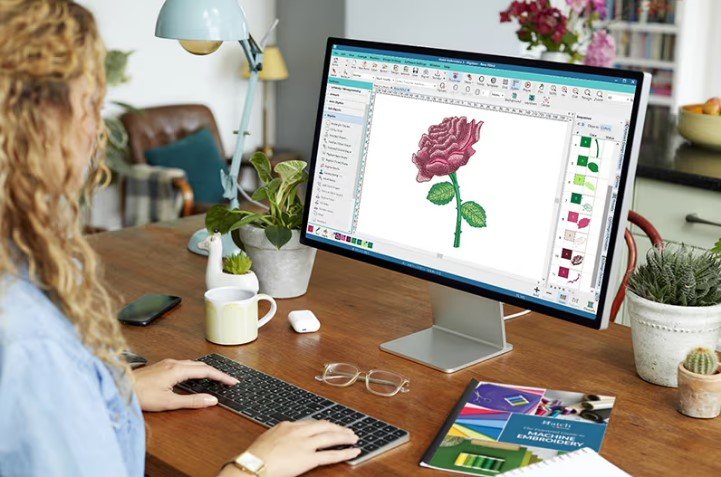
How to Make Your Artwork Look Sharp at Any Size
Good artwork should look clean whether it is small on a card or large on a banner. Many people create a design that looks fine in one size, but when they enlarge or reduce it, the image becomes blurry, rough, or uneven.
That is why Vector Artwork Conversion is so important for modern design work. It helps turn regular images into clean artwork that stays sharp at any size. This is useful for print, web, signs, embroidery, and branding.
Why Sharp Artwork Matters
Clear artwork creates a strong first look. It helps people trust your brand and notice details.
Benefits of Sharp Artwork
- Clean and neat design
- Better print quality
- Easy resizing
- Professional image
- Strong brand value
Problems with Poor Artwork
- Blurry edges
- Pixel lines
- Weak details
- Low print quality
What Makes Artwork Lose Quality
Many designs lose quality because of the file type used.
Raster Images
Raster files are made of pixels.
Common Types:
- JPG
- PNG
- GIF
When enlarged, pixels become visible.
Vector Images
Vector files use lines and shapes.
Common Types:
- AI
- EPS
- SVG
- PDF (vector based)
These stay sharp when resized.
Why Size Changes Affect Design
A logo may need many sizes.
Examples:
- Small social media icon
- Shirt logo
- Poster sign
- Vehicle wrap
- Store banner
If the file is poor, each size change causes issues.
Step-by-Step Guide to Keep Artwork Sharp
Let’s go through the right process.
Step 1: Start with a Good Original File
Use the cleanest file you have.
Best Choices:
- Vector logo
- High-resolution image
- Editable artwork file
Low-quality images are harder to fix.
Step 2: Use Vector Format for Main Designs
Important designs should be stored as vectors.
Great for:
- Logos
- Icons
- Text graphics
- Shapes
This allows endless resizing.
Step 3: Clean Rough Lines
Check all lines and shapes.
Fix:
- Jagged edges
- Uneven curves
- Broken corners
Clean lines make a huge difference.
Step 4: Use Correct Colors
Good color setup helps final output.
Use:
- RGB for screens
- CMYK for print
This avoids dull or wrong colors.
Step 5: Keep Text Editable or Outlined
Fonts can break when shared.
Safe Options:
- Send font files
- Convert text to outlines
This keeps the look the same.
Step 6: Export for the Right Use
Use the right format for each project.
Web Use:
PNG, SVG
Print Use:
PDF, EPS, AI
Embroidery Prep:
Clean artwork file for digitizing
Real Experience: Why Clean Files Save Time
In real projects, poor artwork creates delays.
Common Problems:
- Printer asks for new file
- Logo looks blurry on shirts
- Sign edges look rough
- Social media icon unclear
Good files solve these issues before they start.
A trusted provider like Absolute Digitizer understands how to prepare artwork for embroidery and branding use with clean, scalable quality.
Common Mistakes to Avoid
Avoid these simple mistakes.
Using Screenshots as Logos
Screenshots are low quality.
Better Option:
Use original source files.
Stretching Images
Changing width or height alone can distort art.
Better Option:
Scale proportionally.
Saving Over and Over as JPG
Repeated JPG saves reduce quality.
Better Option:
Keep master file in vector or lossless format.
Ignoring Small Details
Tiny lines may vanish at small sizes.
Better Option:
Simplify when needed.
Best File Types for Sharp Artwork
Knowing file types helps a lot.
SVG
Great for web and responsive design.
AI
Best for editing in Adobe Illustrator.
EPS
Useful for print shops and older systems.
Good for sharing and print if vector based.
PNG
Good for web with transparent background.
How Sharp Artwork Helps Printing
Print quality depends heavily on file quality.
Better Artwork Gives:
- Crisp text
- Smooth edges
- Accurate shapes
- Strong color output
Poor files can waste paper, ink, and money.
How Sharp Artwork Helps Embroidery
Embroidery digitizing works better with clean art.
Why:
- Clear lines guide stitch paths
- Better logo shape
- Easier color separation
- Faster setup time
That is why many embroidery teams request vector art first.
Experts like Absolute Digitizer often work with clients who need artwork cleaned before digitizing begins.
Tips for Logos and Branding
Your logo appears everywhere. Keep it ready.
Make a Brand Folder With:
- AI file
- SVG file
- PDF file
- PNG transparent file
- Color codes
This saves time for future use.
How to Check If Artwork Is Sharp
Use this quick test.
Zoom Test
Zoom in to 300%.
If It Stays Clean:
Likely vector or high quality.
If It Breaks Into Squares:
Likely raster and low quality.
When to Redraw Artwork
Some files cannot be fixed well.
Redraw If:
- Image is very blurry
- Logo is only a screenshot
- Text unreadable
- Colors badly damaged
A full redraw can be faster and cleaner.
Why Professional Help Matters
Some jobs need expert cleanup.
Professionals Can:
- Rebuild logos
- Match brand colors
- Convert to vector
- Prepare print-ready files
- Optimize for embroidery
A reliable name like Absolute Digitizer can help businesses get artwork ready for many uses with strong quality standards.
EEAT in Design Work
Trust grows when results stay consistent.
Experience
Knowing common file problems.
Expertise
Understanding formats, print, and scaling.
Authority
Delivering clean files again and again.
Trustworthiness
Using accurate colors and reliable outputs.
These values matter for any design brand.
Quick Tips for Beginners
Always Save a Master File
Keep one editable version.
Name Files Clearly
Use logo-final, logo-print, logo-web.
Back Up Your Files
Store in cloud and computer.
Ask Vendors What They Need
Printers and stitch shops may need specific files.
Final Thoughts
Making your artwork look sharp at any size is about using the right file type, clean lines, and smart design habits. Do not depend on low-quality images for serious work.
Use vector files when possible. Keep colors correct. Export for the right purpose. Test before sending to print or production.
When needed, expert support can save time and improve results. With the right process, your artwork can stay clean, clear, and professional at every size.







Post Comment